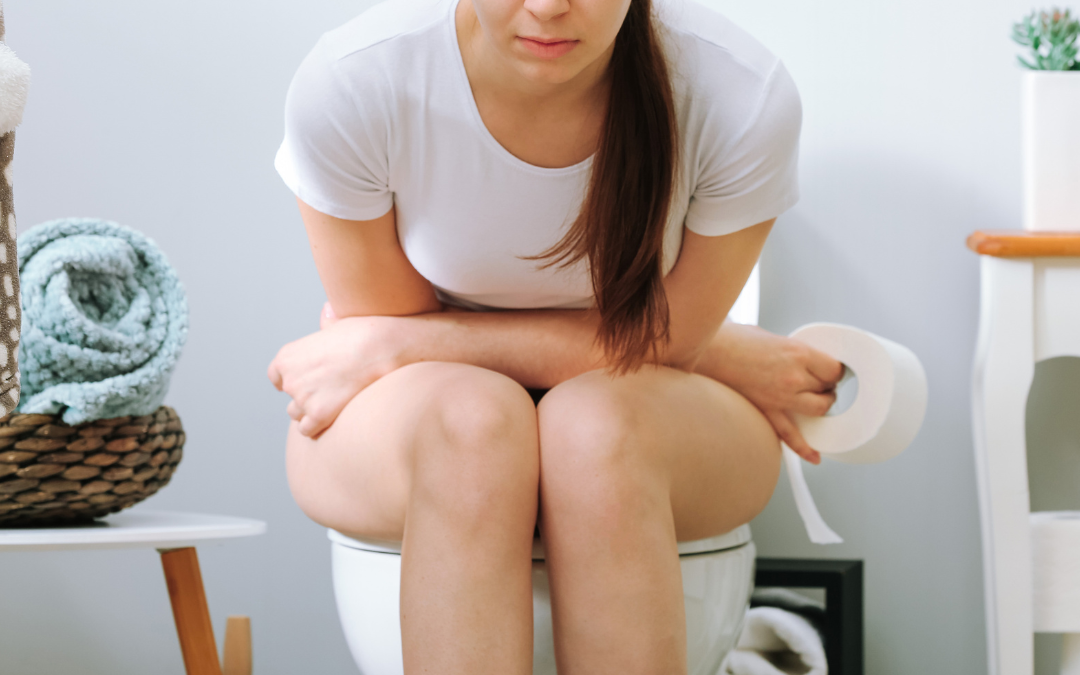
When I was diagnosed with PCOS in 2019, I was confused about how I could be diagnosed with PCOS when I didn’t have cysts on my ovaries, missing or irregular periods, or facial hair or hair loss.
I was struggling with other symptoms – like cystic acne, bloating, heavy and painful periods, and fatigue no matter how much rest I got.
So, for me, the name PCOS – polycystic ovarian syndrome – never really matched what I was experiencing.
However, in May 2026, PCOS was renamed to PMOS – polyendocrine metabolic ovarian syndrome – and my first thought was: finally!
What’s actually changed?
Yes, PMOS is the same condition with the same symptoms, but it has a new name that addresses more than just cysts and missing periods. Now it focuses on more of what’s going on under the hood.
After 14 years, input from 14,000 patients and health professionals, and support from the Endocrine Society, the Congress of Endocrinology in Prague announced the new name for PCOS is PMOS. This will be about a three year roll out to update all guidelines and have the name fully replaced.
To breakdown the name:
- Polyendocrine means there are many hormones involved, not just one system (the ovaries) like PCOS stated.
- Metabolic shows the deep connection of blood sugar, insulin, and how your body uses energy.
- Ovarian, though the ovaries are part of the diagnosis for some women, it’s not the entire story.
- Syndrome stayed the same because it indicates the cluster of symptoms connected with PMOS that may show up differently for every woman.
The old name missed the mark
For years, women were told that there were no cysts on their ultrasound and sent home without answers. No cysts, no problems, right? Wrong!
PCOS’s old name did more harm than good because it put a heavy emphasis on cysts. The diagnosis and treatment was centered around women having cysts, but a lot of women with PMOS don’t actually have cysts.
Because of this, patients and providers acknowledged that the misconception of cysts delayed diagnosis, caused missed treatment, and women struggled without the care that they deserved.
The cherry on the top was how PCOS was talked about. Because it was heavily focused on the ovaries and fertility, the name re-enforced the stigma of PCOS being a reproductive issue and not a full body condition.
But the rename to PMOS is now allowing the condition and name to finally catch up with each other.
What does this mean for Cysters?
You were diagnosed with PCOS originally. It doesn’t mean you need to be re-diagnosed with PMOS. Your symptoms, diagnosis, and how you’re approaching your PMOS should stay exactly the same!
Because the transition is going to happen over the next few years, there will still be resources that say PCOS, doctors that slip up and call it PCOS, and older articles or your chart may have the old name. That’s okay!
For me personally, I appreciate the name change to include “metabolic” and “endocrine” because it confirms some of the symptoms that weren’t as mainstream when talking about PCOS. I also appreciate this switch helps eliminate “it’s just stress” or “just missing periods” conversations.
With the approach to a whole body view of PMOS, ovarian cysts won’t be the only thing that’s looked at now. Doctors will also be looking at, and research will be done on, insulin resistance, excess androgens, and chronic inflammation.
And, this may be wishful thinking, but there should be a whole body approach to managing PMOS as well. No longer just Metformin and birth control, but a look at how to nourish your body, move your body, adjust your lifestyle, and support your sleep and stress.
Managing your PMOS
Your body doesn’t need what your best friend’s body needs, so this may look different for every woman with PMOS, but this is a great place to start
✨ Support your blood sugar. Eat every 3 to 4 hours, prioritizing fiber and protein at every meal. No, you don’t have to cut out your favorite treats!
✨ Lift weights instead of adding more cardio. Strength training supports insulin sensitivity without spiking your cortisol. Synced Movement 🌙 is a hormone approved program for PMOS.
✨ Manage your stress and protect your sleep. Stress isn’t a bad word, but chronically high stress and lack of sleep will contribute to worsened hormonal symptoms.
✨ Track your symptoms. Whether it’s your period or other symptoms, like your acne, energy levels, and bloating, throughout the month, having evidence is important when talking to your doctor.
✨ Consider talking to your doctor. Ask them to pull labs for insulin and blood sugar, not just sex hormone markers. Talk to them about your long term metabolic health. Talk to them about options to manage your PMOS (and be aware if you want birth control to be part of that plan).
Though coaching works alongside your diagnosis, your doctor should be the one to diagnose you, run labs, and talk through medication.
If you aren’t diagnosed with PMOS and think you may have it, here are a few signs that you should schedule an appointment with your doctor:
- Periods that are missing, irregular, or very painful
- Sudden hair growth, hair loss, or acne that won’t budge
- Trouble getting pregnant
- Big changes in energy, weight, and mood
- Mental health struggles (anxiety and depression)
In conclusion…
A new name won’t change your symptoms and won’t help more women get diagnosed with PMOS quicker just yet, but it’s a step in the right direction. It starts changing the story from a reproductive issue to a whole body condition. And will help researchers expand what they’re studying with PMOS.
Your hormone homework this week is to notice any symptoms that have nothing to do with your ovaries. Write the symptoms down that you keep brushing off as “normal”.
If you’re ready to feel like home in your skin again, let’s chat. Book a complimentary Hormone Analysis Call today.
Not sure where to start? Take the free Hormone Analyzer Quiz!