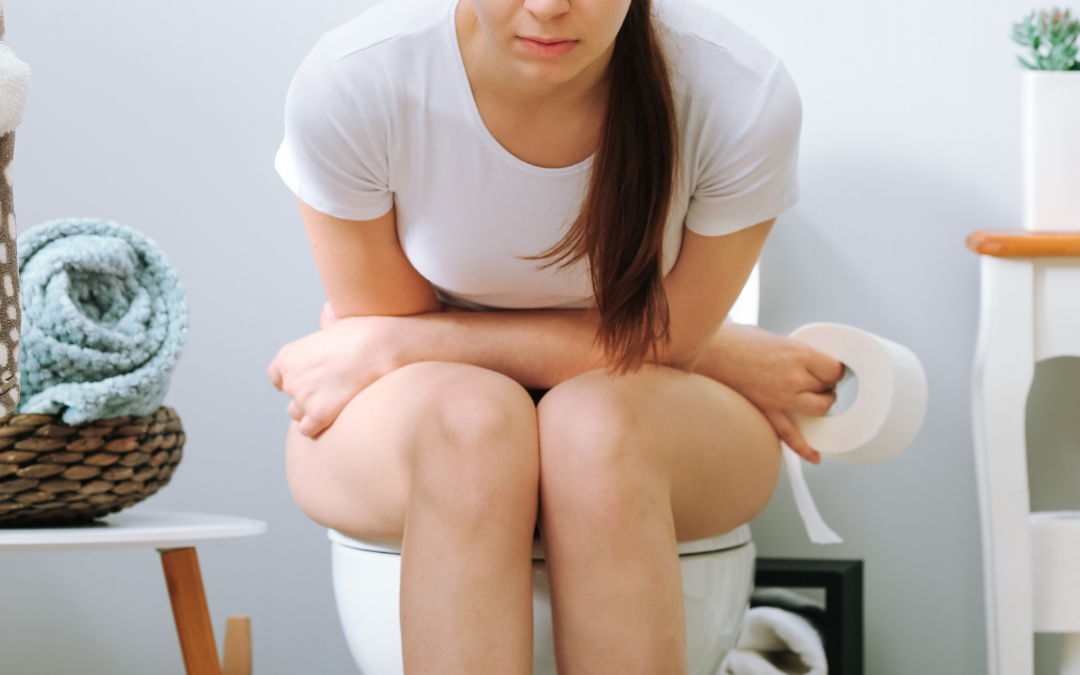

Many women struggle with PMS symptoms.
PMS symptoms are often the butt of the joke for women on their periods.
However, what happens when your PMS symptoms feel like something more, something deeper, like your symptoms feel overwhelming.
If you feel the deeper symptoms, you may have PMDD.
Whether it’s PMS or PMDD, symptoms may be common, but they are not normal. You don’t need to accept your suffering.
Is it PMS or PMDD?
So, what is the difference between PMS and PMDD?
PMS occurs in the luteal phase and is very common. Approximately 75% of women experience PMS symptoms. Whereas, PMDD is less common with 3 to 8% of women experiencing it. PMDD is a more severe and clinical form of PMS and responds to hormonal shifts.
Common symptoms for PMS include
While common symptoms for PMDD include
- Intense depression or hopelessness
- Severe anxiety
- Rage or extreme irritability
- Mood swings that feel uncontrollable
- Difficulty concentrating
- Withdrawal from relationships
- And in severe cases, suicidal thoughts
The quick answer to how they’re different is, PMS may feel uncomfortable and noticeable, but it doesn’t typically disrupt your ability to live your day to day life. PMDD on the other hand doesn’t just impact your mood, but can impact your relationships, work, and quality of life too.
Why does it matter?
A few weeks ago, I heard a woman throwing around that she has PMDD, which hadn’t been diagnosed by a medical provider. The thing is, it’s important to be diagnosed by a professional when it comes to mental health concerns.
On top of that, many women who do have PMDD are dismissed and “just emotional” and their concerns are written off as “just PMS”, which is also unfair.
When PMS or PMDD is mislabeled, it delays real support needed to help the condition. Both PMS and PMDD are whispers (even screams in a lot of cases) from your body and not something to be ignored.
Root Causes for PMS and PMDD
When it comes to managing your PMS or PMDD, it’s important to understand the root causes of each.
For PMS, the top root causes that make your symptoms worse are
- Blood sugar instability
- Inflammation
- Poor stress management (leading to more inflammation)
- An imbalance of estrogen and progesterone
While for PMDD, the root causes can be similar to PMS, but the deeper causes are
- Nervous system sensitivity to hormonal fluctuations
- Neurotransmitter involvement (especially with serotonin)
- And is often worsened by stress, poor sleep, and nutrient deficiencies
How Do You Manage PMS or PMDD?
If you suspect you have PMS, focus on the following to support your body and hormones,
- Track your cycle so you can prepare for luteal phase approaching
- Support your blood sugar with balanced meals and by eating every 3 to 4 hours
- Reduce inflammation by limiting your caffeine intake, alcohol, sugar, and processed foods
- Prioritize your sleep and stress management
However, if you suspect you have PMDD,
- Track your symptoms for at least 2 cycles to see if you can spot trends and to have a papertrail
- Seek support from your medical provider
- Consider therapy, medical support, and lifestyle changes (specifically everything mentioned with PMS)
- And support your nervous system
If your symptoms are interfering with your relationships or work, if you feel extreme or out of control, and if you have dark thoughts and depression, it’s time to seek medical advice instead of focusing on self management.
In Conclusion…
You aren’t meant to dread half of your life every month. You can and should feel like yourself in your skin all cycle long.
If you don’t, I want to encourage you to track your symptoms, check out the free Hormone Symptom Analyzer Quiz, or schedule a complimentary Hormone Analysis Call to see what your options are for support!