It’s the most wonderful time of the year… until it isn’t.
Between the office party, the cookie exchange, three different family dinners, holiday shopping, travel, and staying up late wrapping gifts, your normal routine goes right out the window.
And by the time January 1st rolls around, you feel bloated, exhausted, with acne breakouts, and not at all like yourself in your skin.
Can you relate to this?
Here’s the thing: the holidays aren’t the problem.
The holidays are meant to be enjoyed (yes, including the pie!). But this season disrupts the three pillars your hormones rely on most: your nutrition, your movement, and your lifestyle.
The good news is, you have a lot in your control. You don’t need to skip the cookies, cut out your favorite holiday foods, or add extra cardio to “earn” or “burn off” your meals. You just need a few simple anchors to come back to so you can enjoy the season and feel like yourself.
Common Holiday Hormonal Symptoms
If you’ve felt “off” during past holiday seasons, you may have noticed:
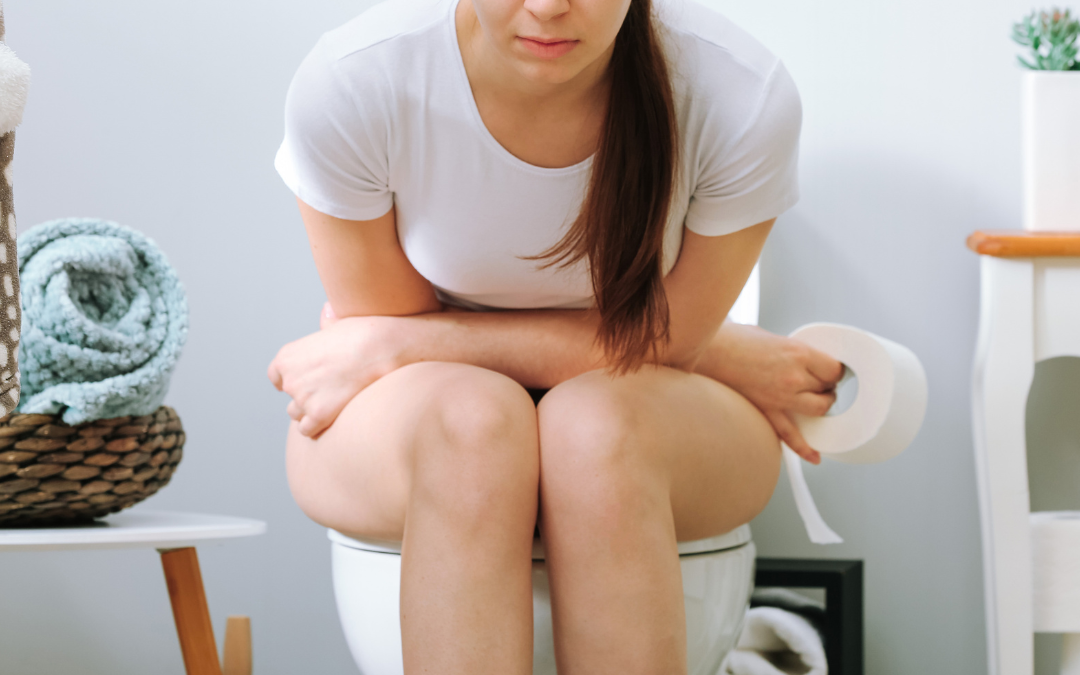
- ➡️ Bloating and digestive issues, like constipation
- ➡️ Sugar cravings that feel out of control
- ➡️ Fatigue and afternoon energy crashes, even after a full night of sleep
- ➡️ Breakouts and acne
- ➡️ Anxiety, irritability, or mood swings
- ➡️ Trouble falling asleep or waking up in the middle of the night
- ➡️ Brain fog
- ➡️ Feeling puffy, inflamed, or like your clothes don’t fit the same
- ➡️ If you have a cycle, worse PMS or heavier, more painful periods
Remember, symptoms may be common, but they are not normal. They’re whispers from your body that something needs a little TLC under the skin.
So let’s break down how the holidays impact each of the Hormone First pillars, and what you can do about it, so you can have the best holiday season without the hormonal symptoms side effects.
Pillar 1: Your Nourishment
How the holidays disrupt it
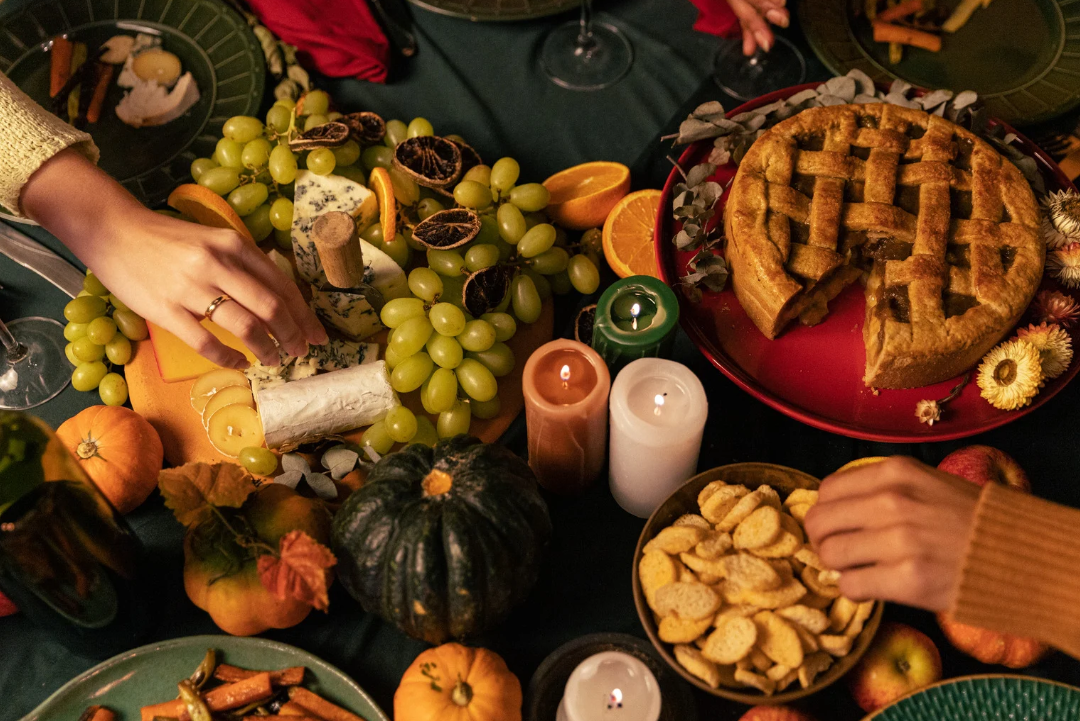
During the holidays, it’s easy to graze on cookies, candy, and carb leftovers all day, skip breakfast to “save room” for the big dinner, drink more alcohol than usual, and forget to drink water because it’s cold outside.
When this happens, your blood sugar goes on a rollercoaster ride. The spikes and crashes raise your cortisol, which leads to more cravings, poor sleep, energy crashes, and anxiety. On top of that, the extra sugar, processed foods, and alcohol add inflammation, which shows up as bloating and acne.
How to support your hormones (and still enjoy the holiday food!)
- ✨ Eat every 3 to 4 hours. Even a smaller snack counts. Skipping meals to “save room” is one of the fastest ways to end up overeating and crashing later.
- ✨ Build a balanced plate. Fill your plate with protein, veggies or fruit, starchy carbs, and healthy fats. Start with your protein and fiber first.
- ✨ Pair your treats. Enjoy the cookie after a meal or alongside some protein, instead of on an empty stomach. Trust me, your blood sugar will thank you.
- ✨ Hydrate, hydrate, hydrate! Keep a water bottle with you while you’re running around, and have a glass of water between drinks at parties.
- ✨ Be mindful of alcohol. Drink it with food, alternate with water, or try a fun mocktail.
- ✨ Keep your favorites, skip the “meh” foods. If you love your grandma’s pie, have the pie! But you don’t need the store-bought cookies in the break room that you don’t even like, but are reaching for something for a quick sugar fix.
- ✨ Come back to your next balanced meal. One meal doesn’t undo anything. There’s no “starting over on Monday” or in January. Your very next meal can get you right back on track.
If you want more on building your plate, check out my top 5 nutrition habits for better hormones.
Pillar 2: Your Movement
How the holidays disrupt it
The holidays usually affect your workouts in one of two ways.
For some women, the routine falls off completely. Travel, packed calendars, colder weather, and shorter days make it easy to skip the gym for weeks at a time.
For others, it’s the opposite. They try to “burn off” the holiday meals with extra cardio and intense workouts. But adding high-intensity exercise on top of an already stressful season keeps your cortisol high. That can mean more fatigue, more sleep issues, more cravings, and a harder time seeing changes in your body.
How to support your hormones (without overdoing it)
- ✨ Lower the bar, don’t drop it. Two to three strength workouts a week, even just 20 to 30 minutes, is enough to keep your momentum. Muscle helps support your blood sugar and metabolism.
- ✨ Walk after meals. A 10 to 15 minute walk after a big holiday meal helps your body use the sugar from that meal. Bonus points if you bring the family along!
- ✨ Skip the punishment cardio. You don’t need to “earn” your food or “make up” for it afterward. If you’re feeling run down, keep your heart rate in zone 2 and adjust your workouts to how you feel.
- ✨ Get outside in the daylight. Shorter days lower your serotonin (your mood balancing hormone). A walk outside gets you movement and sunlight at the same time.
- ✨ Put your workouts on the calendar. Treat them like any other appointment you wouldn’t cancel. They’re an appointment with yourself.
- ✨ Count your rest days. Rest is where your body recovers and builds strength. It’s part of the plan, not a failure. Take a minimum of 2 rest days per week!
If you’re looking for a hormone approved workout plan, check out Synced Movement, where the workouts are planned and scheduled for you!
Pillar 3: Your Lifestyle
How the holidays disrupt it
Late nights, travel, an overbooked calendar, family dynamics, money stress, end of year deadlines, and less daylight all pile up this time of year.
Stress isn’t a bad word. Your body is built to handle it in short bursts. But when the stress doesn’t let up for weeks, your cortisol stays elevated. Chronically high cortisol can disrupt your progesterone and estrogen, mess with your sleep, and put your nervous system in overdrive.
And when you don’t sleep well, your blood sugar is harder to manage the next day. So you’re more tired, crave more sugar, and the cycle keeps going.
How to support your hormones (and protect your peace!)
- ✨ Protect your sleep. Aim for 7 to 9 hours. Try to keep your bedtime and wake time within about an hour of normal, even while traveling. Sleep is where your hormones repair themselves.
- ✨ Say no when you need to. You don’t have to attend every party or host every dinner. Protect your peace! If it’s not a “hell yes!” it’s a no.
- ✨ Build in moments of calm. Five minutes of breathwork, stretching, legs up the wall, or a walk outside can help calm your nervous system. Find what works for you.
- ✨ Get morning sunlight. Even 10 to 15 minutes outside in the morning supports your mood, energy, and sleep. Or snag a sunlight box or alarm if you know you can’t get outside in the morning.
- ✨ Watch your caffeine and alcohol timing. Caffeine late in the day and drinks close to bedtime, both easier to do during the holiday season, can both disrupt your sleep.
- ✨ Plan ahead. Look at your calendar now and spot your busiest weeks. Then plan your meals, workouts, and rest around them. Be proactive, not reactive!
In Conclusion…
You don’t have to choose between enjoying the holidays and feeling like yourself in your skin.
It’s not about being perfect. It’s about having a few foundations to come back to, even in the busiest seasons: eating every 3 to 4 hours, moving your body in a way that feels good, protecting your sleep, and protecting your peace.
Your hormone homework is to pick ONE tip from each pillar (nourishment, movement, and lifestyle) to focus on this holiday season. Which three are you choosing?
Not sure which of your symptoms are the loudest whispers from your body? Take the free Hormone Symptom Analyzer Quiz to find out where to start.
And if you’re ready for customized support to get you through the holidays feeling like yourself, let’s schedule a complimentary Hormone Analysis Call to see if 1:1 Hormone Coaching is right for you!